
Choose a software development partner by asking the right questions before you sign: whether they understand your business problem, whether you need custom software at all, what the price includes, how they handle integrations, testing and security, who owns the code and what support follows launch. The right partner explains decisions in plain language and puts scope, ownership and support in writing.
Two software development companies can promise similar features, timelines and results. So how do you decide which one deserves your trust, budget and time?
Knowing how to choose a software development partner goes beyond comparing prices or reviewing portfolios. The right partner understands your business problem, communicates clearly, sets realistic expectations and builds solutions that support your long-term goals.
Before signing a contract, ask the right questions. Their answers can help you understand how they work, what you are paying for and whether they are genuinely equipped to deliver what your business needs.
In Short: What Should You Look for in a Software Development Partner?
Look for a partner who understands your business goals, demonstrates relevant experience, provides a clear project scope, explains pricing transparently, prioritizes security and offers reliable support after launch.
Most importantly, they should explain their decisions in language you understand rather than expecting you to know every technical detail.
Here are the questions worth asking before making your decision.
1. Do You Understand My Business Problem?
Before discussing features, a good development partner should understand what you want to improve.
Perhaps your team spends hours managing spreadsheets, your existing tools do not communicate with one another, or your customers struggle to complete an online process.
Ask:
- How would you approach understanding our business requirements?
- What information do you need before recommending a solution?
- How will we measure whether the project is successful?
Why it matters: If a company starts suggesting features before understanding your problem, you could end up paying for software that looks impressive but does not solve the actual issue.
The goal is not simply to build software. It is to make a business process work better.
2. Do We Actually Need Custom Software?
Not every business problem requires a completely new application. Sometimes, an existing product or a connection between your current tools can solve it more efficiently.
Ask your potential partner to explain whether you should build a new solution, buy an existing product, or integrate the systems you already use.
Understanding custom software and the build vs buy decision can help you avoid unnecessary development costs.
Why it matters: A reliable partner recommends an approach based on your requirements, budget and plans, not simply the solution they want to sell.
3. Have You Worked on Similar Projects?
A company may have an impressive portfolio, but what matters is whether it has experience relevant to your project.
Ask:
- Have you worked on a similar business problem?
- Can you demonstrate a comparable project?
- What challenges did you face and how did you handle them?
- Can you share a client reference where appropriate?
Look beyond screenshots and polished presentations. Understand the problem the team solved, the decisions it made and the outcome it delivered.

Why it matters: Relevant experience helps you assess how the company approaches real-world challenges. You do not necessarily need an identical project, but you should see evidence of sound problem-solving.
4. What Exactly Is Included in the Price?
A proposal should explain what you are paying for, not just provide a total figure.
Ask for a written breakdown covering deliverables, timelines, assumptions, exclusions, payment milestones and the process for handling changes.
You should also understand whether the proposed price is fixed or based on the time spent on the project.
Time and Materials vs Fixed Price: Which Model Fits Your Project?
A fixed-price arrangement sets a price for an agreed scope of work. It can suit projects with clearly defined requirements.
A time-and-materials arrangement charges for the actual time and resources used. It can be more suitable when requirements are likely to evolve.
Learn more about fixed-price vs time-and-materials pricing before deciding.
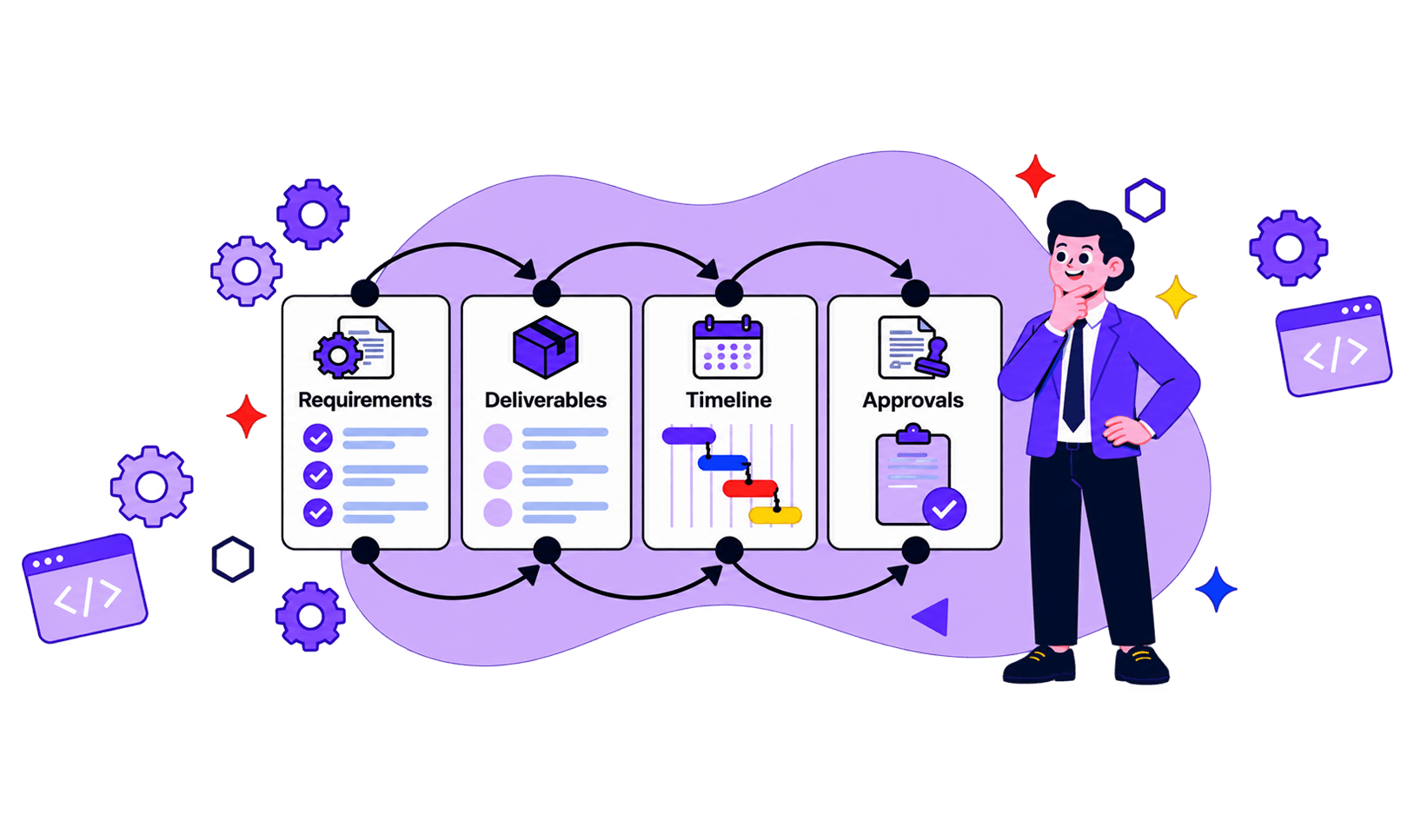
Why it matters: Transparent pricing helps you plan your budget and reduces the risk of unexpected expenses later.
5. How Will the Software Connect With Our Existing Systems?
New software rarely operates in isolation. It may need to exchange information with your CRM, payment gateway, accounting platform, website, or other business tools.
Ask:
- Which integrations will the project require?
- Are there any limitations with our existing systems?
- How will existing data be transferred?
- What happens if an integration fails?
Understanding system integration is particularly important when your business depends on multiple applications.
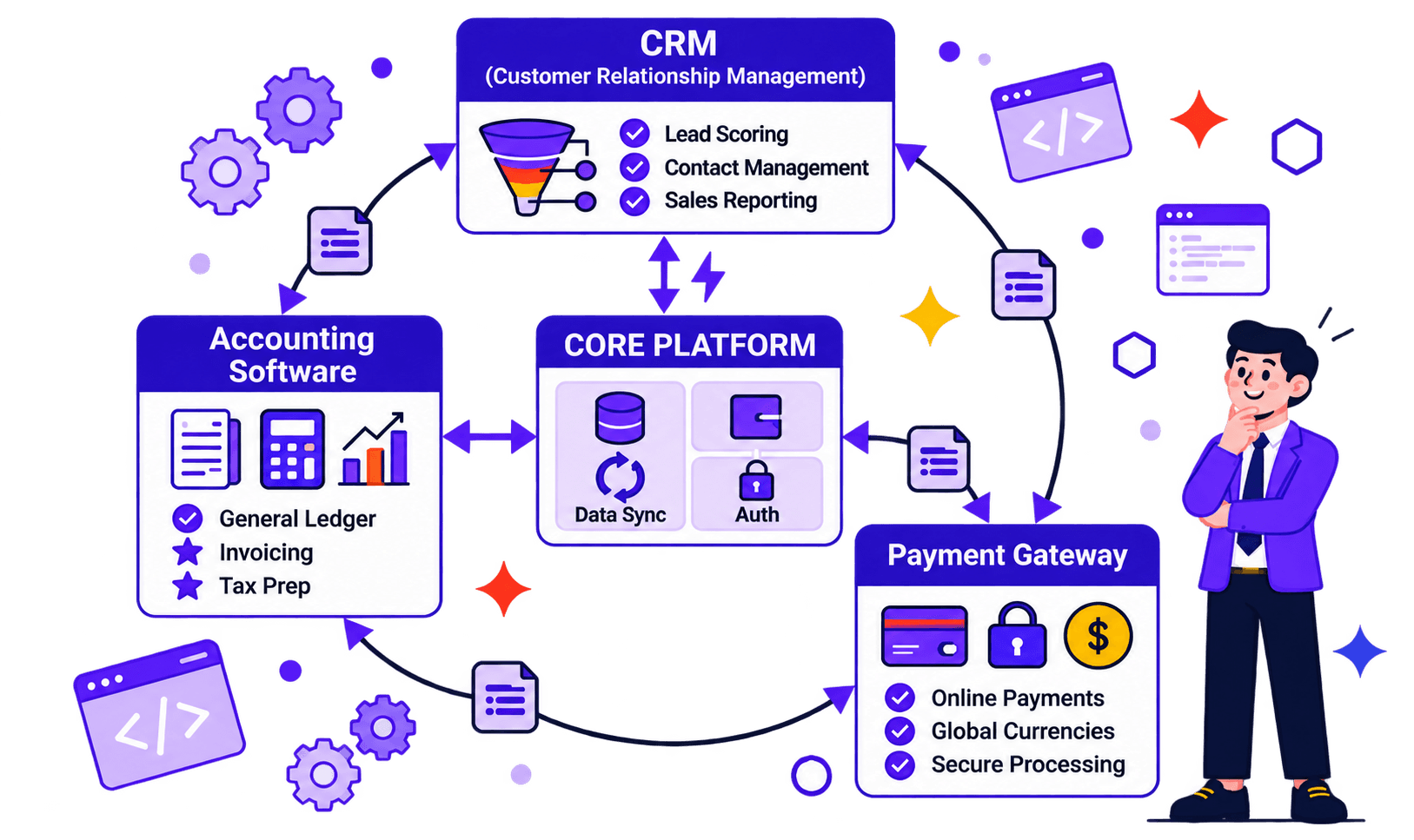
Why it matters: Poorly planned integrations can create duplicate work, inconsistent information and additional costs. Discussing these requirements early helps prevent avoidable problems.
6. How Do You Handle Testing, Security and Quality?
Software should work reliably before it reaches your customers or employees. Ask how the team tests the application, identifies problems and checks whether the final product meets your requirements.
Discuss:
- Testing procedures and acceptance criteria.
- Data protection and access controls.
- Security responsibilities and relevant compliance requirements.
- How bugs will be reported and resolved.
Why it matters: Testing and security should be part of the development process, not last-minute additions. The exact safeguards required will depend on your software, users and the information it handles.
7. Who Owns the Code and Other Project Assets?
This is one of the most important questions to settle in writing.
Ask what happens to the source code, documentation, designs, data, hosting accounts and third-party components when the project is completed. Clarify intellectual property rights, license restrictions, payment conditions and access to the systems you depend on.
Why it matters: You should understand what you will own, what you will be licensed to use and which external dependencies may affect future changes.
Clear ownership terms help you maintain control of your investment and reduce dependence on a single provider.
8. How Will We Track Progress and Approve the Work?
A development project should not leave you wondering what is happening behind the scenes.
Ask how often you will receive updates, whether you can review working versions and who will approve milestones. Agree on how feedback will be collected and how changes will affect delivery.
Why it matters: Regular demonstrations and clear approval points help identify misunderstandings early, when they are generally easier to address.
Review the partner's development process to understand how requirements, communication and delivery are managed.
9. What Happens After the Software Goes Live?
Launching your software is an important milestone, but it is not necessarily the end of the relationship.
Ask what post-launch support is included, how issues are prioritized and whether ongoing maintenance is available. Clarify response times, responsibilities, documentation and the handover process.
A service-level agreement (SLA) may define agreed support commitments, including response and resolution expectations where applicable.
Why it matters: Software may need updates, fixes, improvements and adjustments as your business grows. Knowing what happens after launch helps you plan for the long term.
Software Development Partner Checklist: What to Confirm Before Signing
Before making your final decision, check that you have:
- Clearly defined business goals and success criteria.
- A written scope with deliverables and exclusions.
- A realistic timeline and payment schedule.
- Named project contacts and responsibilities.
- An agreed testing and security approach.
- Written terms for code ownership, data and access.
- A process for changes, feedback and approvals.
- Defined post-launch support and handover arrangements.
Use this checklist to compare proposals on the same criteria rather than choosing the lowest quote alone.
You can also review custom software development services and relevant examples in Anantya's project portfolio to understand the types of business challenges a technology partner can address.
Final Thoughts: Choose a Partner Who Thinks Beyond the Code
The right software development partner should do more than turn your requirements into a finished product. They should help you ask better questions, identify potential problems early, and make decisions that support your business over time.
At Anantya TechLabs, the focus is on bringing together technology, systems and business growth. Whether you need a custom platform, an internal business tool, or a solution that connects your existing systems, the starting point should always be understanding what your business actually needs.
Before you sign, look for clarity over promises, evidence over assumptions and a process you can trust.
Because the best technology investment is not simply software that gets built. It is a solution that works for your business.
FAQs
How do I choose the right software development company?
Start by evaluating how well the company understands your business goals, its relevant experience, project management approach, pricing transparency, technical capabilities and post-launch support. Ask for evidence and written commitments before signing.
What questions should I ask before hiring a software development partner?
Ask about requirements, similar projects, team responsibilities, pricing, timelines, integrations, testing, security, ownership, communication and ongoing maintenance. These questions help you understand both the proposed solution and the working relationship.
How much does it cost to hire a software development company?
The cost depends on project complexity, features, integrations, team requirements, timeline and ongoing support. Request a detailed proposal that explains what is included, what is excluded, and how additional work will be charged.
What is the difference between a software development company and an outsourcing partner?
A software development company may take responsibility for delivering a defined project or solution. An outsourcing partner can also provide specialists who work within your existing team. The right choice depends on whether you need a complete delivery team or additional development capacity.


